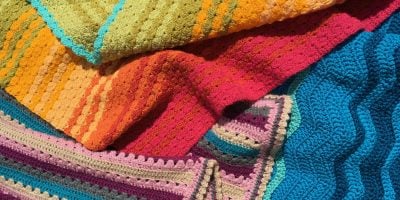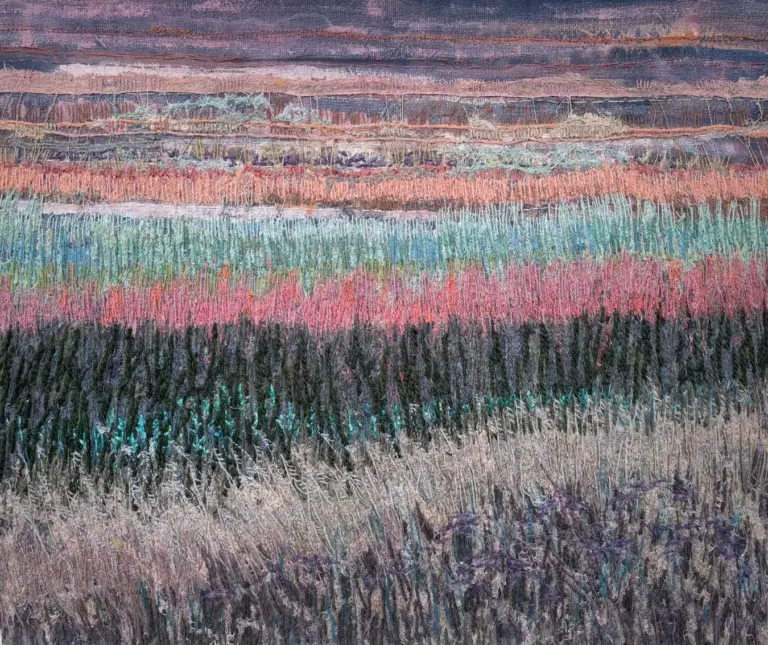
Sarah Crowe hadn’t studied formally since finishing her MA back in 2007. Ten years into a career teaching in secondary schools, she found herself longing for a way back into her own creative practice, and it was patchwork and quilting that gave her exactly the route she needed.
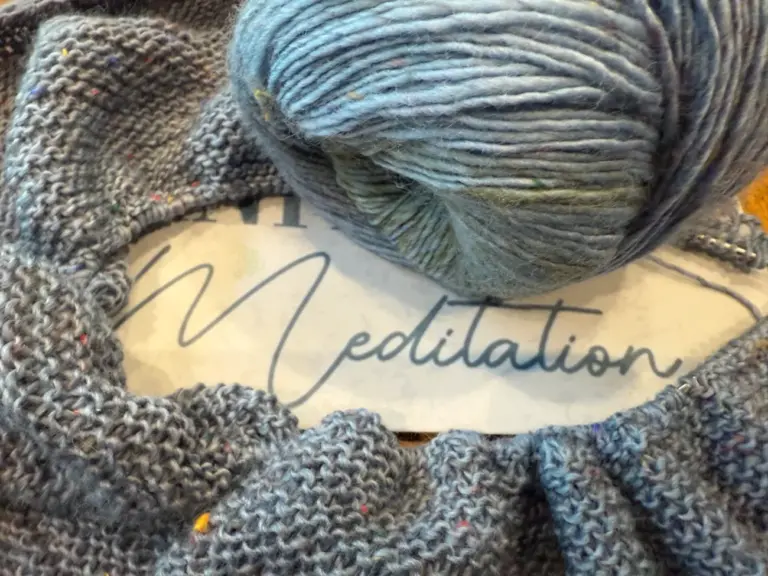
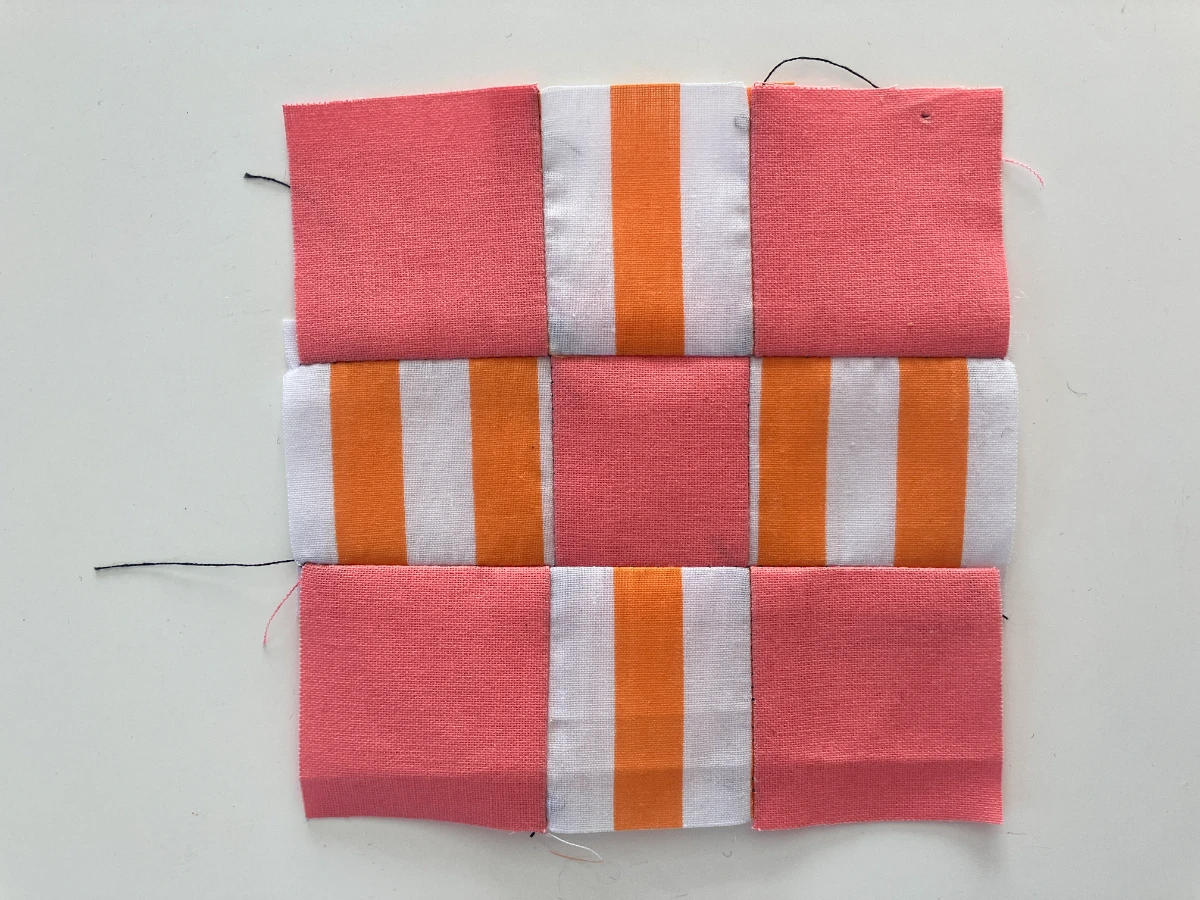
At first, she wasn’t convinced. She had years of dressmaking and machine stitching behind her, but no patchwork experience at all, and she assumed the precise measurements the technique demands would test her patience rather than reward it. The opposite proved true. Working through the SST modules, Sarah discovered that the exactness of patchwork was less a challenge to endure and more a rhythm to sink into, meditative in a way she hadn’t expected from a craft built on careful measuring and cutting. What started as uncertainty became one of the most grounding and quietly transformative parts of her creative year.
Inspired by Sarah’s journey? The City & Guilds accredited Patchwork & Quilting course at SST is designed for stitchers who are ready to build real skill and confidence, whether you are completely new to patchwork or bringing existing sewing experience with you. Skill Stage 2 gives you the structured learning, expert tutor feedback, and creative freedom to progress at your own pace. Find out more and enrol about our beginner patchwork course.
“I thought I would not have much patience for making exact measurements but actually found it meditative, and enjoyed this part of the process the most.”
— Sarah Crowe, Patchwork & Quilting Skill Stage 2
The Course That Turned Precision Into a Meditation
When I first looked into SST, I was undecided. I had basic sewing skills and knew how to sew seams together through dressmaking, but I had no experience at all in patchwork and quilting. I wanted to learn a new skill through a City & Guilds accredited course rather than taking an online short course.
I was torn between this course and the Skill Stage 2 Textiles course. In the end, I chose the Patchwork & Quilting Skill Stage 2 course because I wanted to focus more specifically on patchwork skills, as I already had some experience of embroidery and machine stitching.
I wanted to complete an accredited course because I hadn’t studied formally since finishing my MA in 2007. Since then, I had been teaching in secondary schools for the last ten years, so I wanted an opportunity to focus on my own creativity again.
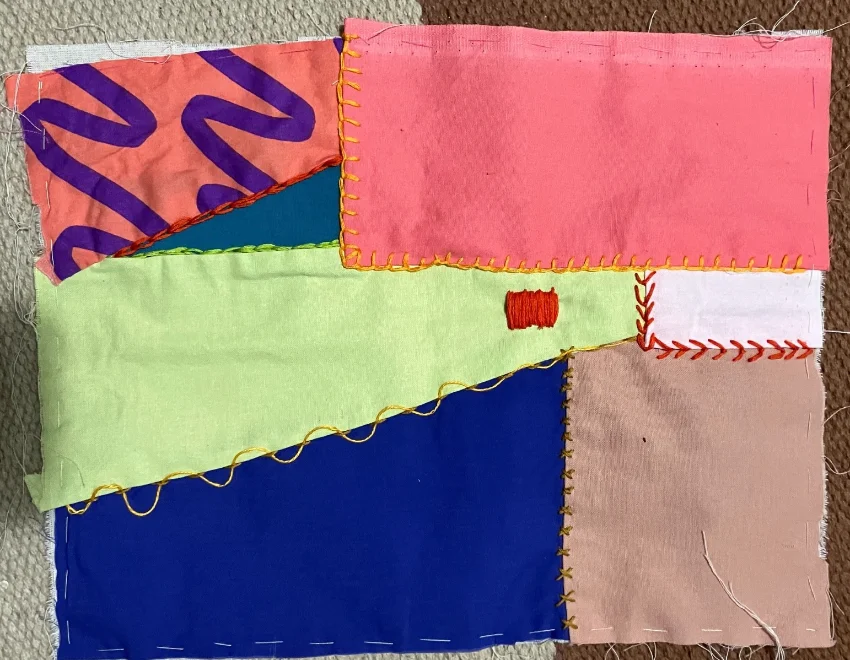
From Nervous About Measurements to Genuinely Meditative
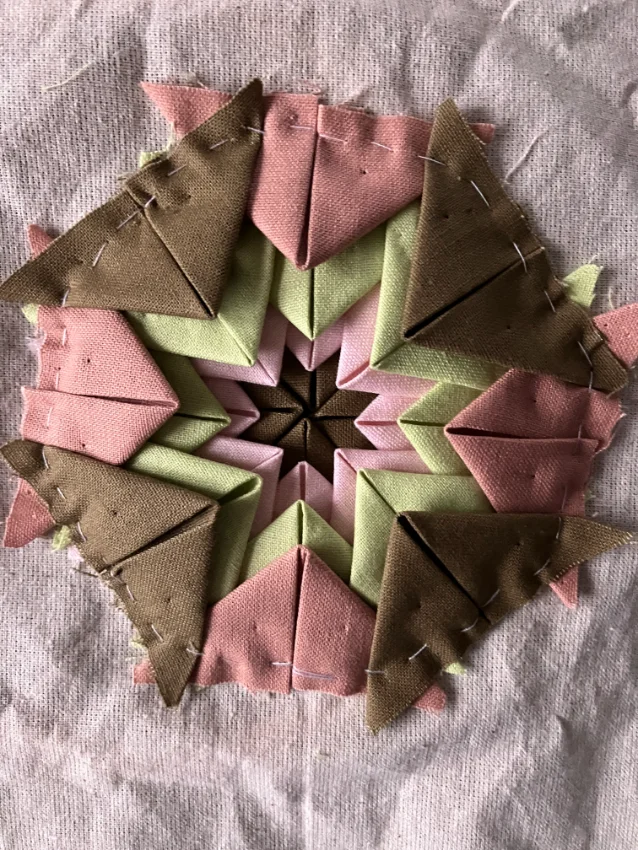
At first, I wasn’t sure whether I would enjoy the course, as I understood that patchwork requires quite exact measurements. However, I ended up really enjoying practising the different patchwork techniques and seeing my work improve as I progressed through the modules. I thought that I would not have much patience for making exact measurements but actually found it meditative, and enjoyed this part of the process the most.
I really liked the structure of SST, particularly that the course was online and could be completed over the course of a year. They recommend around six to eight weeks for each module, but I understood that taking a little longer was absolutely fine too. I also found it helpful to have a tutor who provided individual feedback for each module. It was detailed, encouraging, and reassured me that I was moving in the right direction with my work.
Upon completing the course, I realised how valuable the structured approach had been, especially having to submit evidence of both my work and my thought process. Normally, when I make creative work, I think through my ideas but do not necessarily write them down or present them in a sketchbook. It was really helpful to get back into keeping a sketchbook again, whether digitally or with pen and paper. In many ways, it felt like being back at college, where I always had a sketchbook on the go to record experiments, research, and ideas.
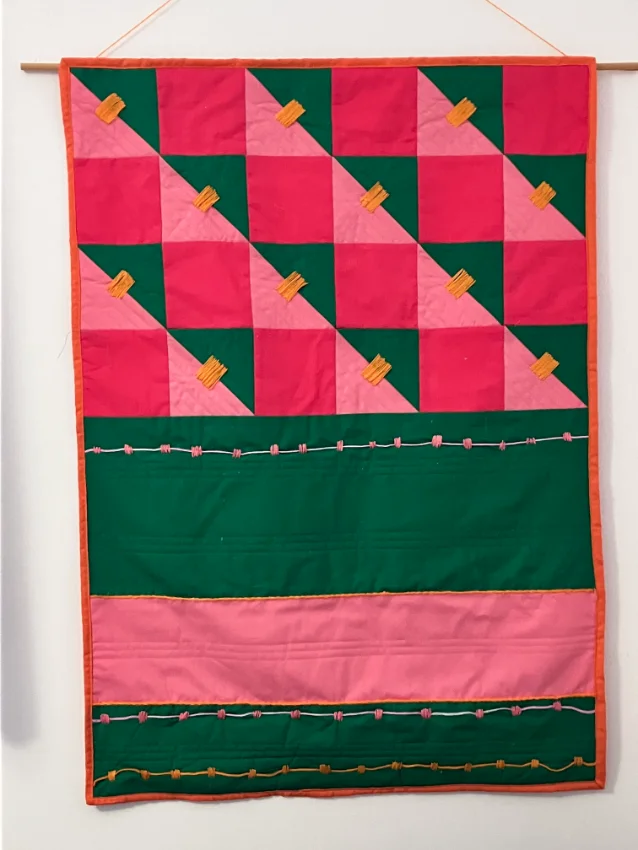
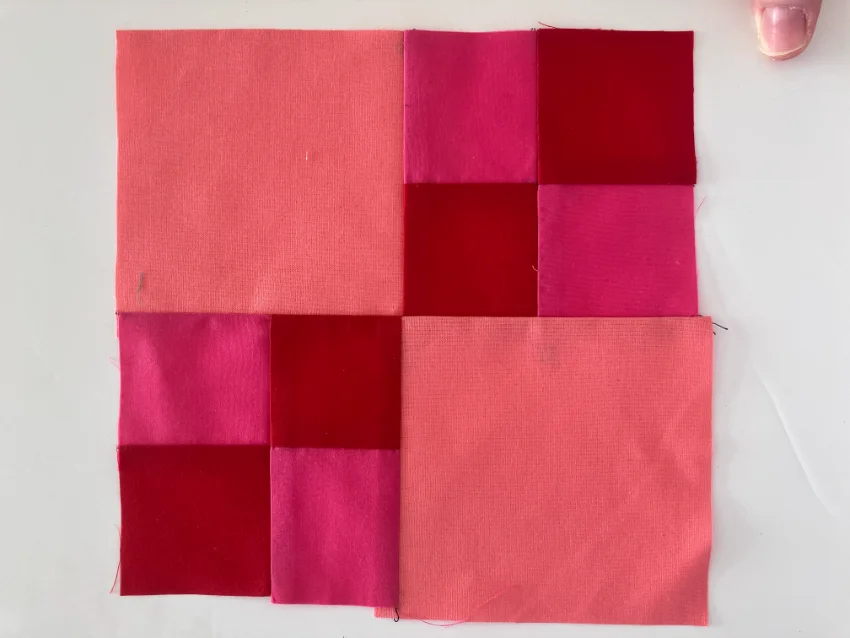
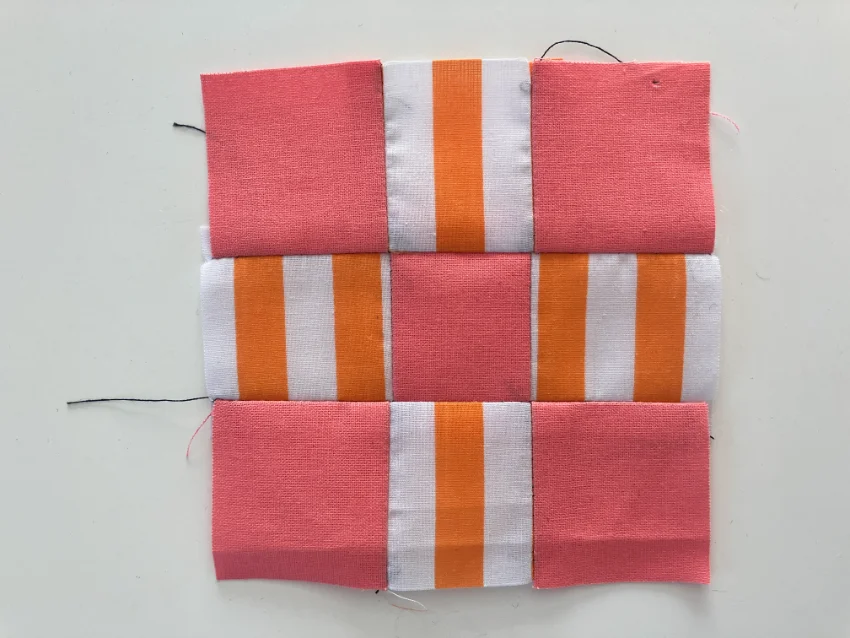
Where Patchwork Is Taking Sarah Next
Since completing the course, I have continued developing my practice and want to incorporate my newly learned skills into future projects. In time, I may choose to complete a Skill Stage 3 Textiles course. Now that I have the foundations of patchwork, I would like to become more experimental and have greater freedom to combine embroidery and machine stitching within my work.
One of the biggest challenges for me was time management. My advice would be to try to set aside time each week for study, as the weeks pass very quickly, especially when balancing work and family life. Next time I take an accredited course, I will make sure I have a non-negotiable half day each week dedicated to studying.
I would definitely recommend the course to anyone who has not studied for a while or feels a little stuck creatively. It really reminded me how creative I can be, gave me confidence to explore new ideas and encouraged me to develop new skills. I also think it is important to say that you do not need expensive equipment or brand new fabric to complete the course successfully. You can make excellent work using materials and supplies you already have.
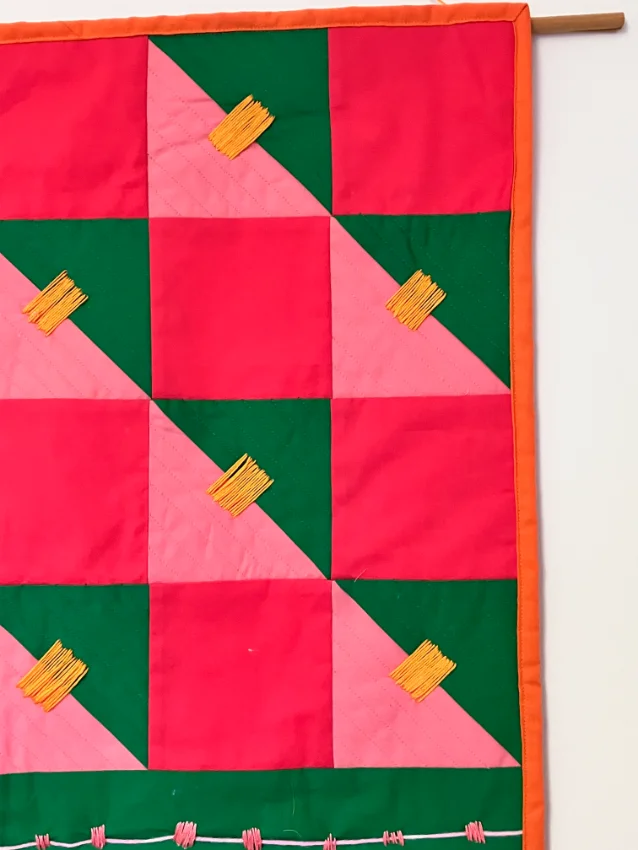
Sarah’s story is a reminder that creative confidence doesn’t disappear, it simply waits for the right structure to bring it back. A decade on from her last formal studies, patchwork gave her not just a new technique but a renewed sense of what she is capable of making. For anyone wondering whether now is the right time to pick up a needle and thread again, Sarah’s answer is a quietly confident yes. Register your interest today to find out more about our accredited courses.