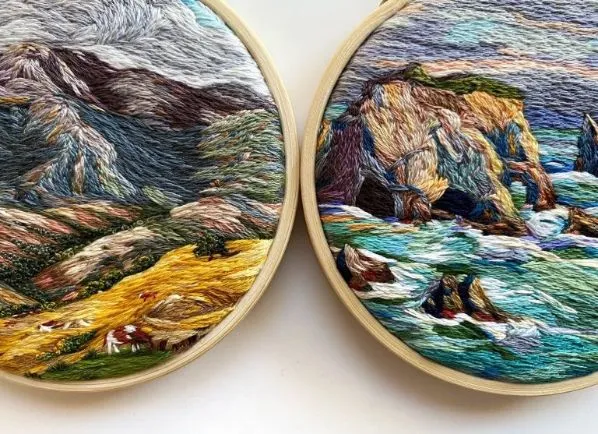
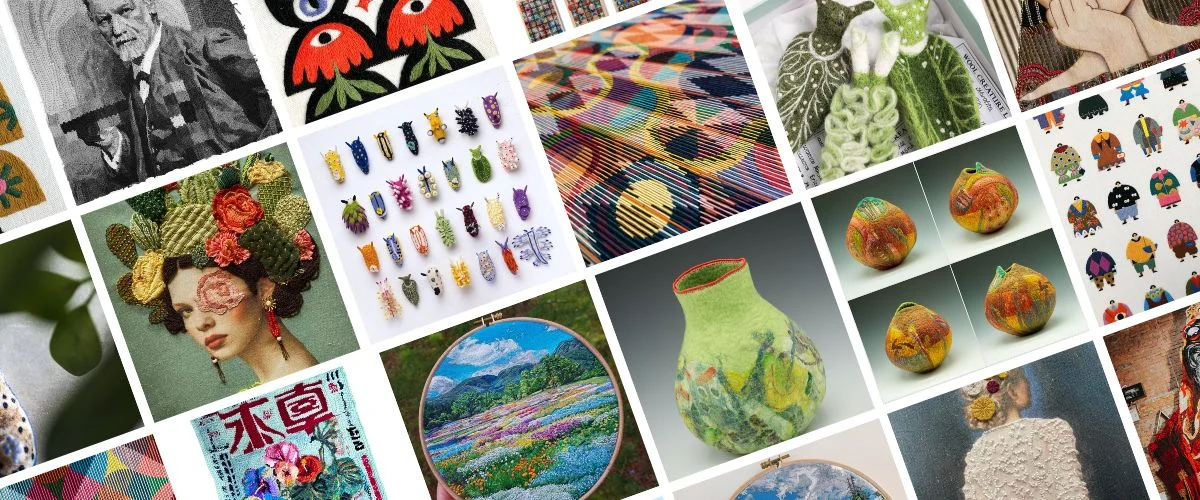
Textiles have always been a powerful form of artistic expression. From delicate hand embroidery to monumental fibre sculpture, women have long been at the forefront of pushing the boundaries of what can be achieved with thread, cloth and fibre.
Today, a new generation of artists continues to expand the language of textiles in remarkable ways. Some use stitch to create images as nuanced as paintings. Others transform humble fibres into intricate sculptural forms. Many draw inspiration from the natural world, translating landscapes, marine life, and organic structures into tactile works of art.
In celebration of International Women’s Day, we are highlighting a selection of contemporary textile artists whose work demonstrates the extraordinary diversity and creative potential of textile practice today. Working across techniques such as crochet, felting, weaving and embroidery, these artists show how traditional skills can be reimagined through experimentation, curiosity and a deep connection to materials.
Whether you are drawn to expressive thread painting, abstract stitched surfaces or the sculptural possibilities of fibre, these artists are transforming textile art. They teach us that the possibilities of textile art are limitless. Before we get started, remember to take a look at our other blogs Honouring Women in Textiles, and Textile Artists inspired by Women.
Contemporary Women Transforming Textile Art
1. Miriam Shimamura
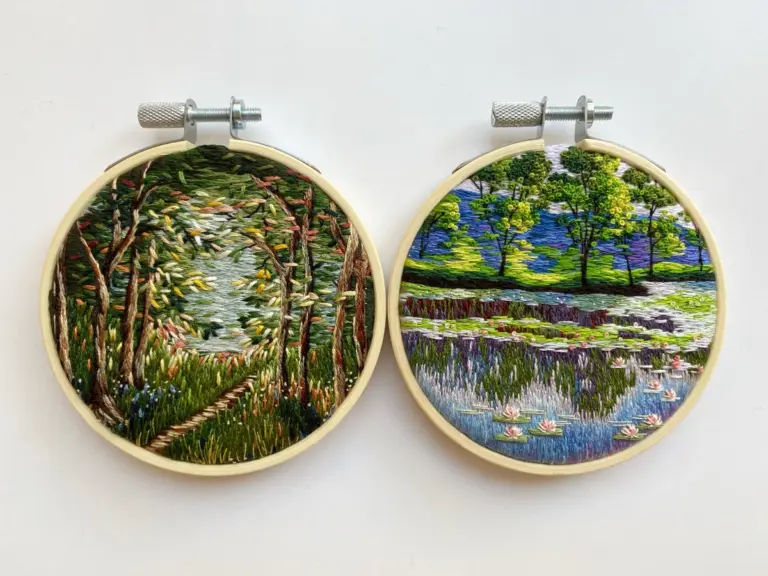
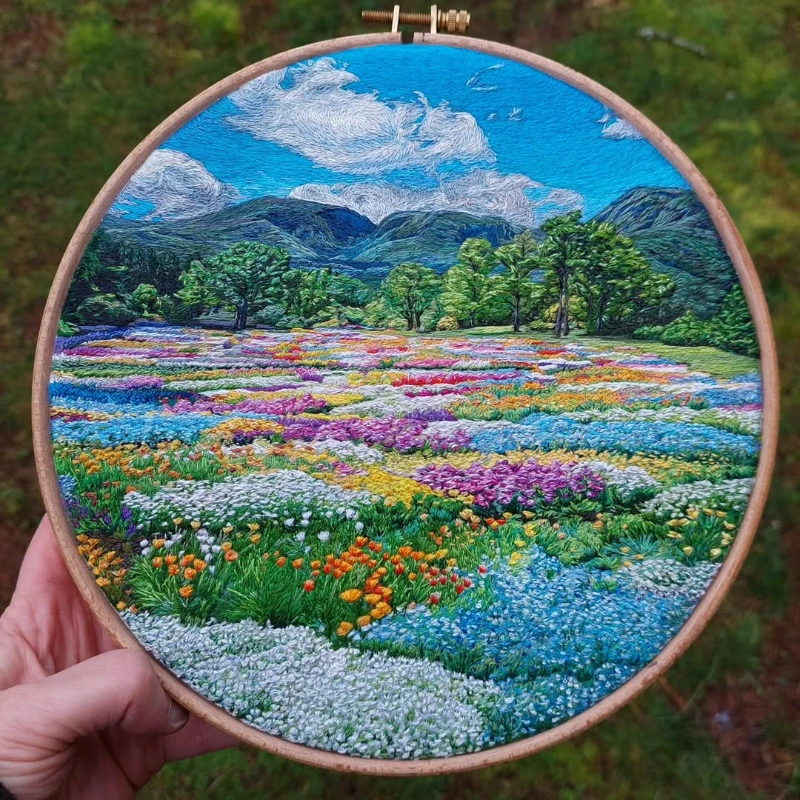
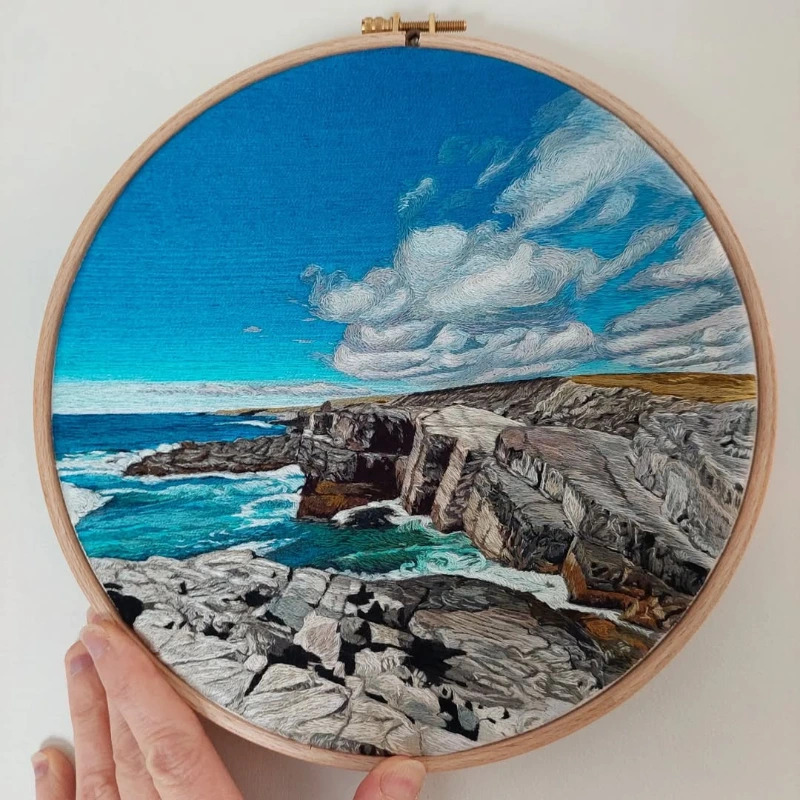
Miriam Shimamura, the artist behind Mishi Embroidery, creates remarkable hand-embroidered works that blur the boundary between painting and stitch. Based in Coquitlam, British Columbia, she produces intricate thread paintings depicting landscapes, portraits, animals and abstract compositions, all built slowly through layers of carefully placed stitches.
Her artistic influences draw from impressionism, abstraction and minimalism, movements that shape the way she approaches colour, perspective and composition. Rather than simply reproducing photographs, Shimamura focuses on capturing atmosphere and emotion, allowing movement, colour relationships and delicate shifts in tone to guide the viewer through the scene.
Why we’ve included her
Shimamura’s work highlights the remarkable possibilities of thread painting, demonstrating how embroidery can achieve painterly depth and subtlety while retaining the tactile qualities that make textile art so compelling. Her work is a powerful reminder that even traditional techniques like embroidery continue to evolve in the hands of contemporary artists.
Follow Miriam Shimamura
Instagram: @mishi_embroidery
2. Arina Borevich
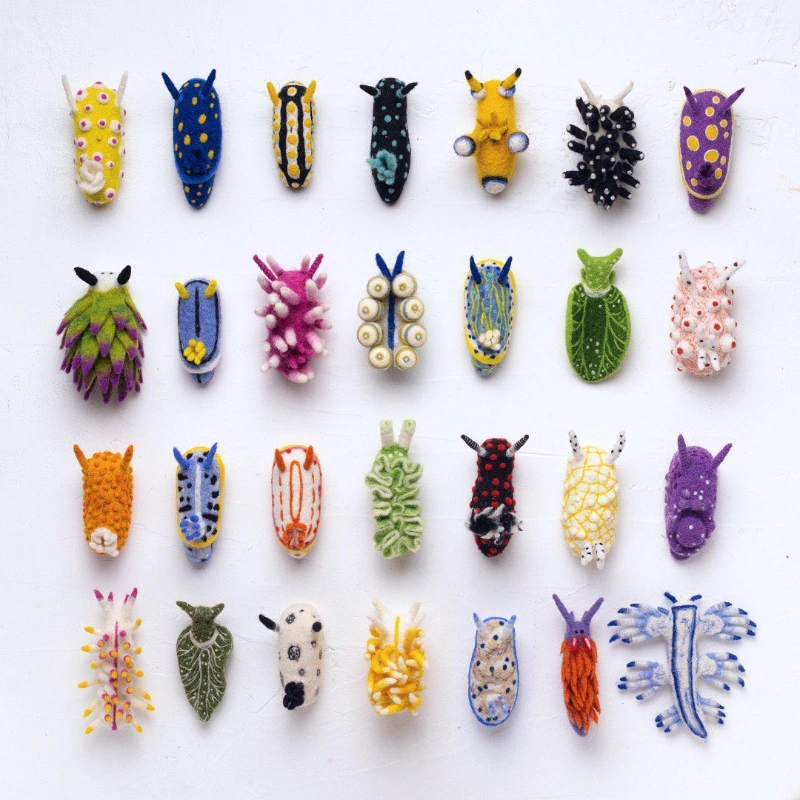
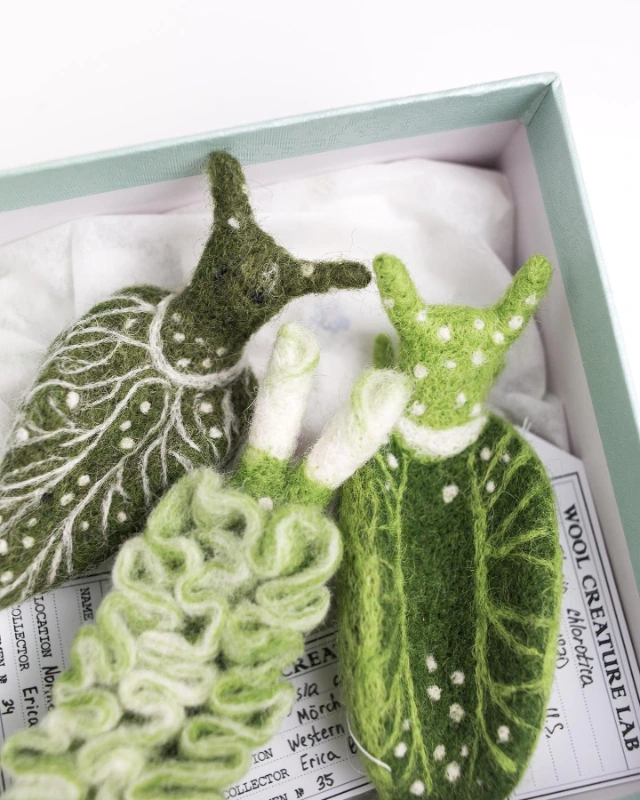
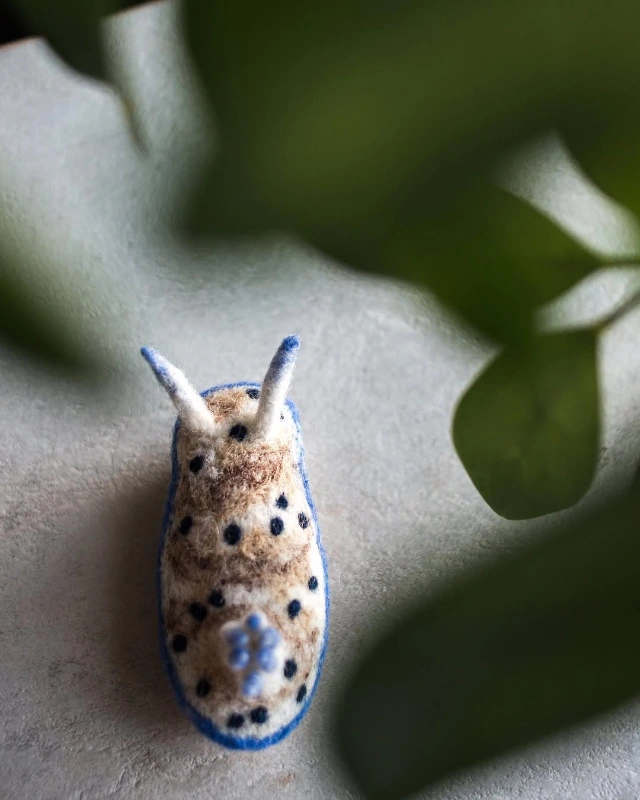
Arina Borevich, the artist behind Wool Creature Lab, creates remarkable needle-felted sculptures inspired by marine life, particularly nudibranchs – tiny sea creatures celebrated for their vivid colours and intricate forms. Using carefully layered wool fibres, she recreates the delicate frills, folds and textures of these animals with extraordinary precision.
Her fascination with these creatures began while working at a remote marine biology research station, where she became captivated by their unusual beauty. Through felting, she translates scientific observation into tactile fibre sculpture.
Why we’ve included her
Arina Borevich demonstrates how felt can move beyond traditional decorative uses into the realm of highly detailed sculptural art. Her work highlights the remarkable versatility of wool and shows how textile techniques can intersect with science, nature and observation.
For students exploring felt, her work is a powerful example of how patience, close observation and material understanding can transform simple fibres into complex sculptural forms.
Follow Arina Borevich
Website: woolcreaturelab.com
Instagram: @wool_creature_lab
3. Katika Art
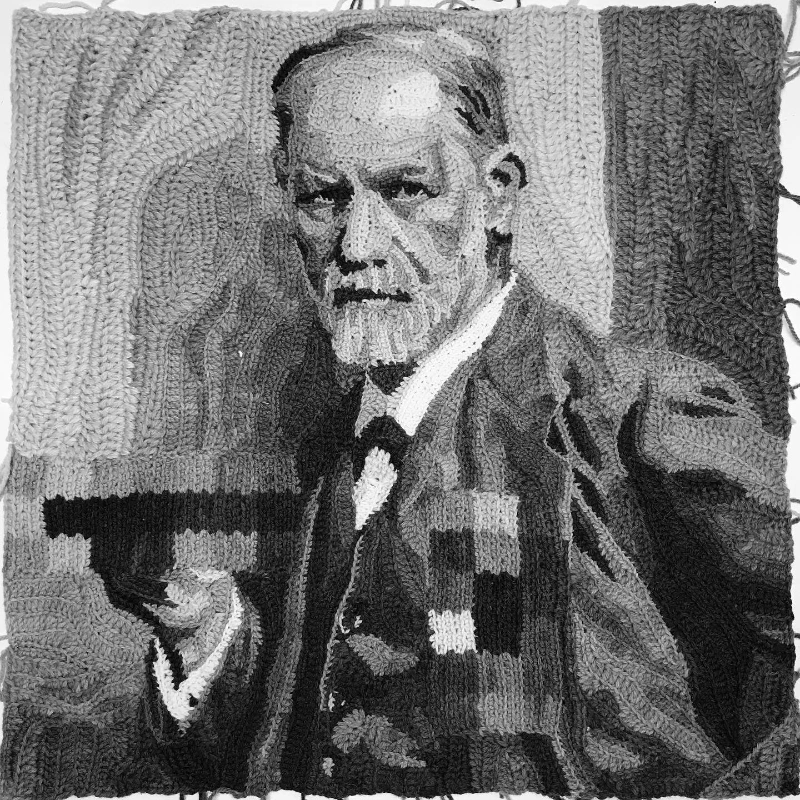
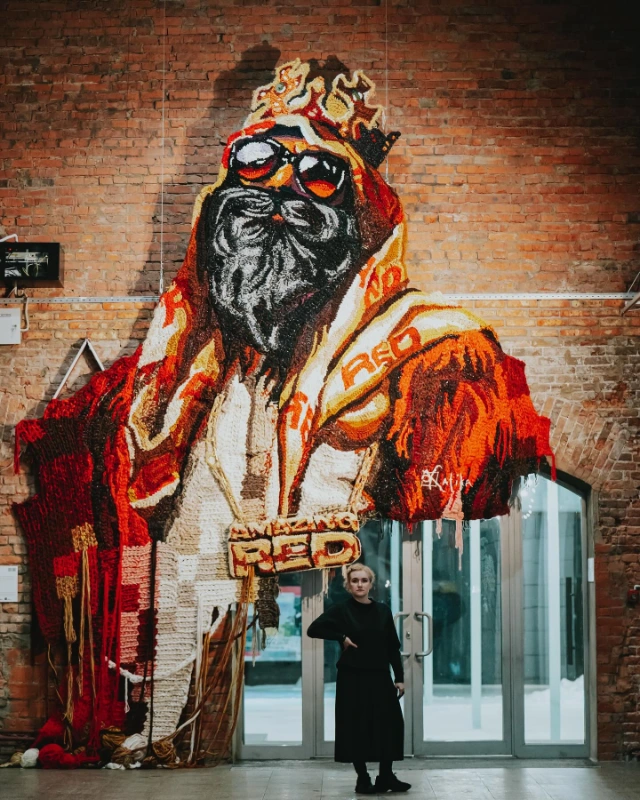
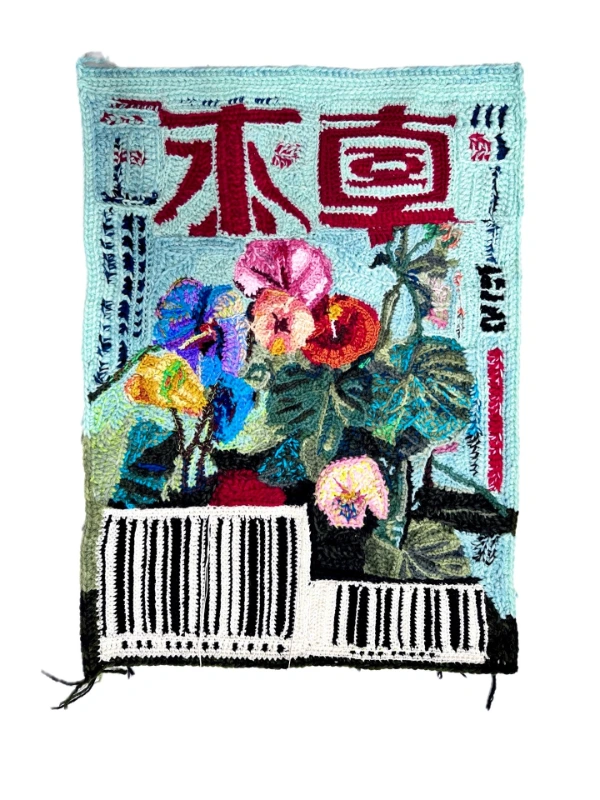
Russian textile artist Katika is known for her vibrant “yarn paintings”, artworks created entirely through crochet that resemble expressive painted portraits and figurative compositions. Working from her studio in Moscow, she uses crochet stitches as a form of mark-making, carefully layering coloured yarns to build tone, texture and movement across the surface of each piece.
Rather than following traditional crochet patterns, Katika works intuitively, combining simple stitches to construct complex imagery. Her work often explores themes of love, human connection and emotional expression, including a series of tender portraits inspired by couples who shared photographs and personal stories with her. Over time her practice has evolved both technically and conceptually. She frequently dyes or spins her own yarn and experiments with new ways of presenting crochet work, including three-dimensional objects and assemblages that expand the possibilities of the medium.
Why We’ve Included Katika
Katika represents a fascinating development within contemporary textile art: the use of crochet as a painterly medium. By treating yarn like pigment and stitches like brush marks, she challenges the idea that crochet is purely decorative or functional.
Her work demonstrates how even the most familiar textile techniques can be transformed into expressive visual art. For students and practitioners, it is a powerful reminder that creativity often lies not in learning entirely new techniques but in reimagining how traditional ones can be used.
Follow Katika
Website: katika-art.com
Instagram: @katikaart
4. Judith M. Daniels
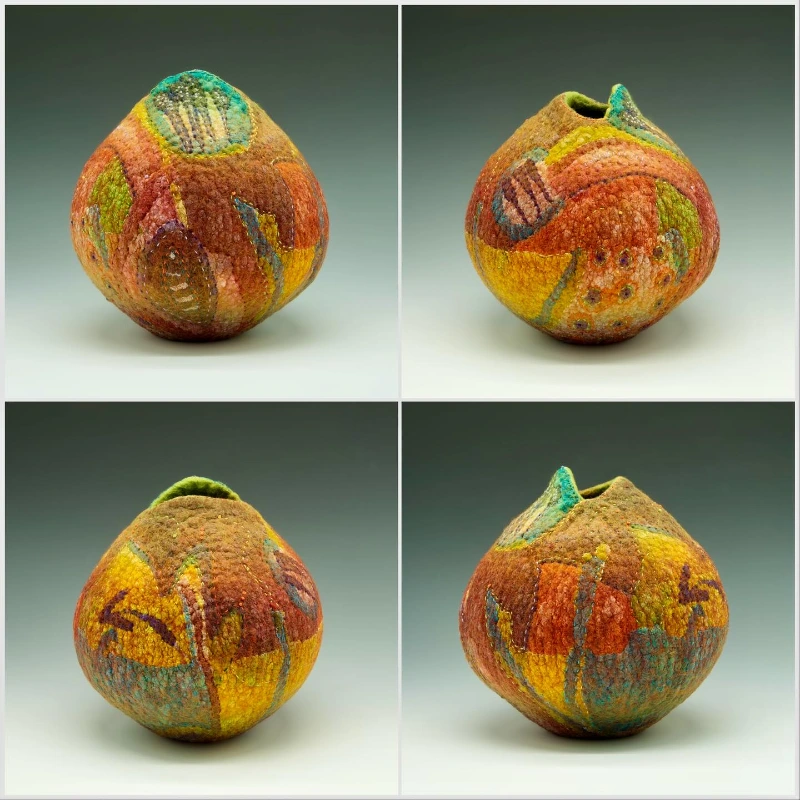
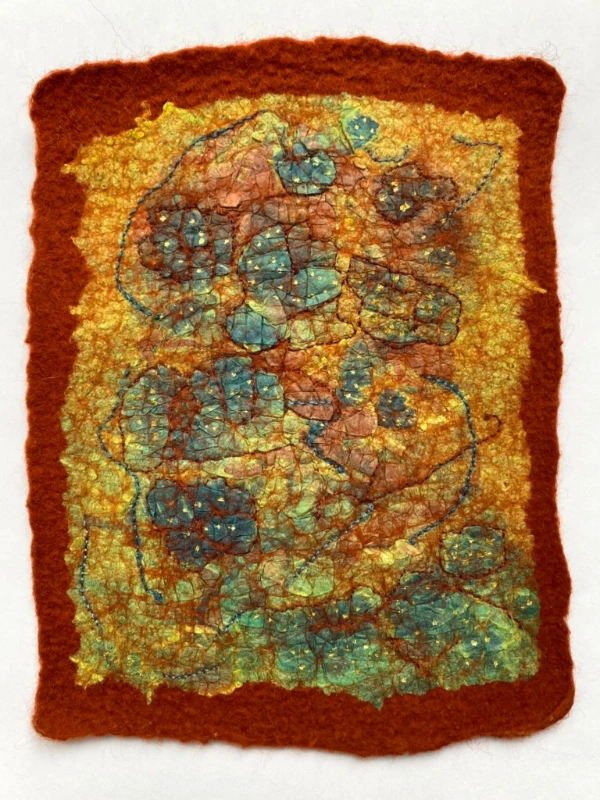
Judith M. Daniels is a contemporary fibre artist whose work sits at the intersection of painting, sculpture and textile processes. Over the course of her career she has explored many artistic disciplines, including painting, weaving, photography and rug restoration, experiences that continue to inform her approach to textile art today. Daniels now focuses primarily on fibre-based work, often combining felt, silk, paper, paint and stitch to create richly layered surfaces and sculptural forms. Her practice reflects a fascination with the tactile qualities of materials and the expressive possibilities that emerge when textiles are manipulated, layered and reworked.
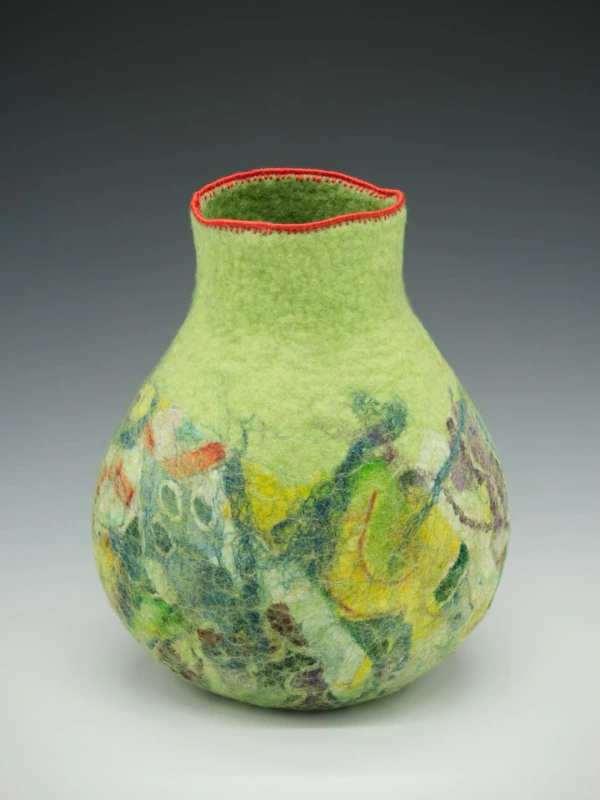
Her three-dimensional vessels extend this idea further. By shaping felt into organic forms and decorating them with colour, pattern and stitched marks, Daniels connects her work to a long human tradition of creating vessels that are both functional and expressive.
Why We’ve Included Judith M. Daniels
Judith M. Daniels represents an important strand of contemporary textile practice: the exploration of abstraction through fibre. While many textile artists use stitch to create figurative imagery or narrative scenes, Daniels approaches textiles as a language of gesture, texture and mark-making.
Her work demonstrates how fibre can operate much like paint or drawing, with thread functioning as a line and fabric as a surface for experimentation. This approach encourages textile artists to think beyond representation and explore the expressive potential of colour, rhythm and composition.
For students and emerging artists, Daniels’ work is particularly inspiring because it shows how traditional textile processes such as felting, stitching and dyeing can be combined with ideas from fine art to create work that feels both contemporary and deeply tactile. In the context of this article celebrating women shaping textile art today, Daniels’ practice highlights the role of artists who are expanding the conceptual and abstract possibilities of fibre.
Follow Judith M. Daniels
Website: judithmdaniels.com
Instagram: @judith.m.daniels
5. Irene Saputra
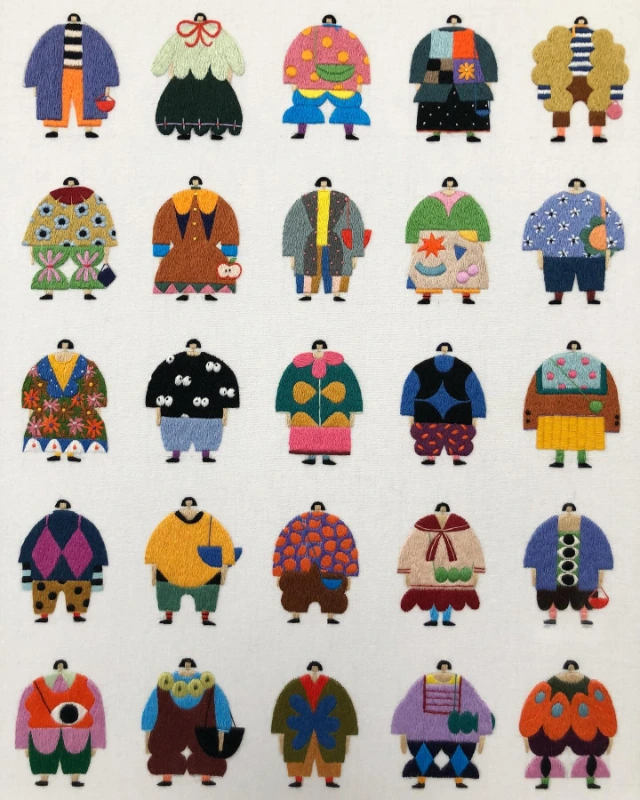
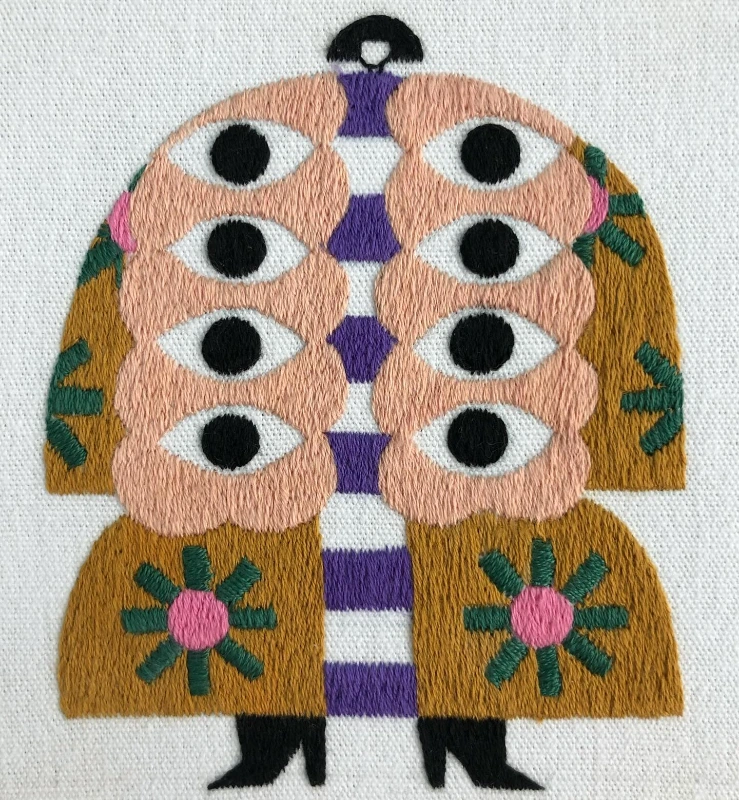
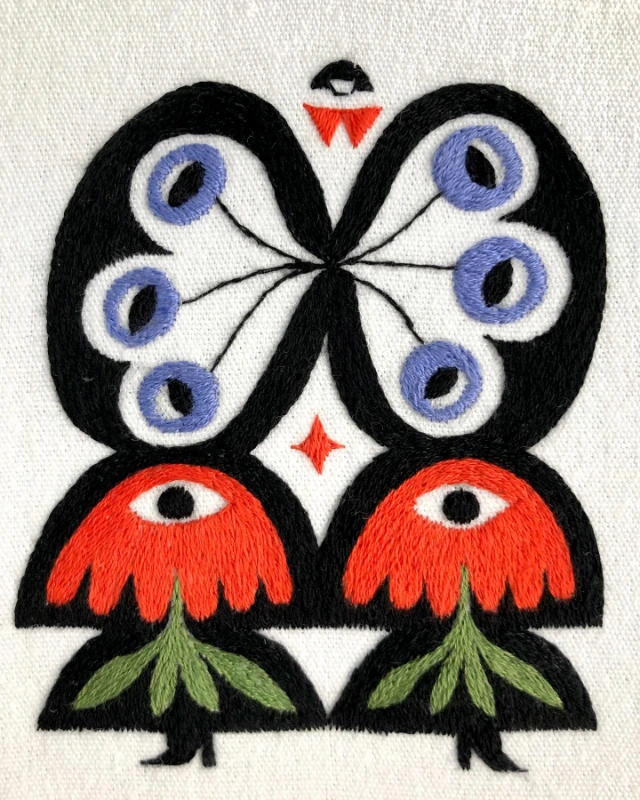
Indonesian embroidery artist Irene Saputra, who works under the name Nengiren, creates playful stitched characters known as Nona Kecil, or “little woman.” Each figure appears in a different outfit, with garments constructed through bold satin stitches and vibrant colour combinations.
Although the character remains faceless and consistent, the clothing changes dramatically from piece to piece. Through these imaginative outfits Saputra explores pattern, colour and the visual language of fashion.
Why we’ve included her
Saputra demonstrates how embroidery can become a powerful design and storytelling tool. Her work sits somewhere between illustration, fashion and textile art, showing how stitched surfaces can convey personality and narrative through pattern and colour alone.
For textile artists, her work is a reminder that embroidery is not only about technique but also about composition, rhythm and creative storytelling.
Follow Irene Saputra
Instagram: @nengiren
6. Maria Fernanda Smart
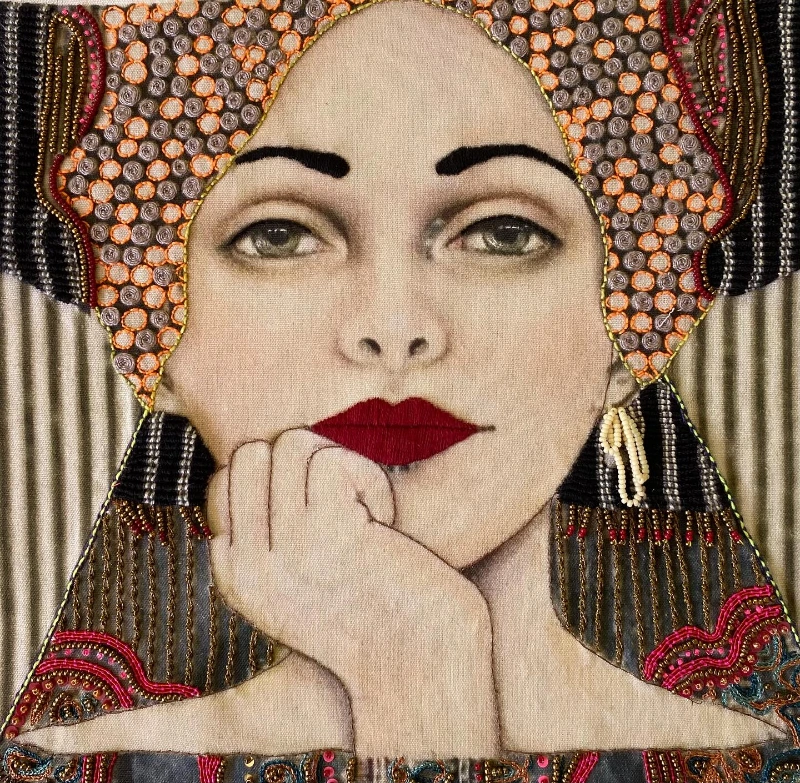
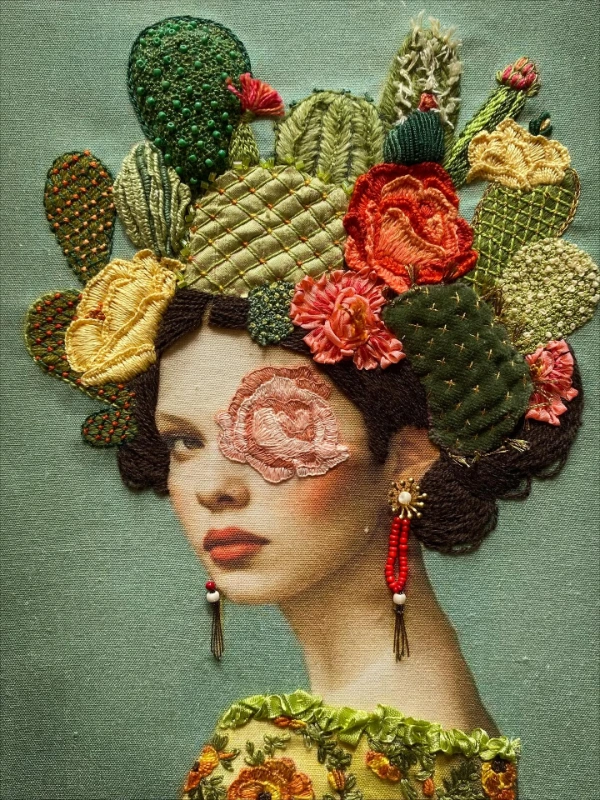
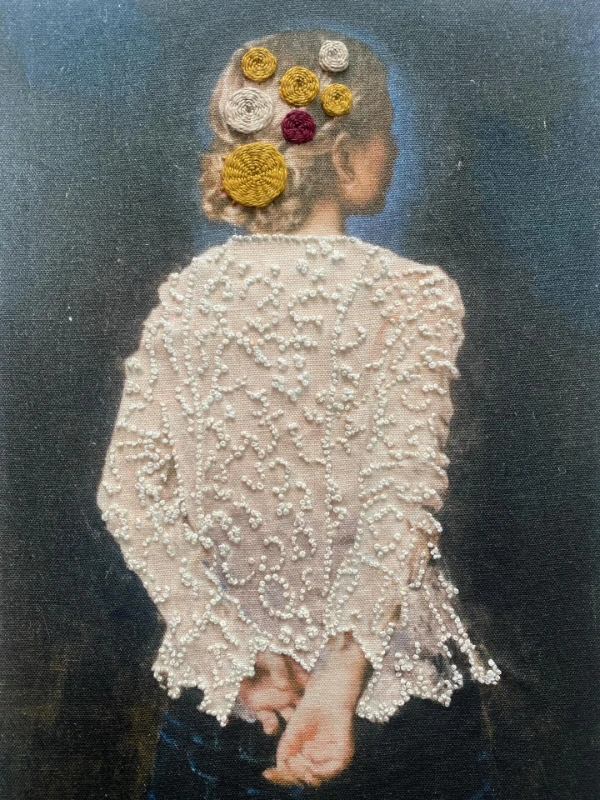
Maria Fernanda Smart is a Chilean embroidery artist whose work sits beautifully at the crossroads of stitch, image and emotion. In her pieces, thread becomes a way of drawing into the surface and building atmosphere, often creating work that feels intimate and quietly cinematic rather than purely decorative.
Why we’ve included her
Smart’s contribution is the way she treats embroidery as a form of contemporary mark-making. Instead of using stitch simply to outline or embellish, she uses it to translate imagery into something more tactile and psychologically charged. Her work is a reminder that embroidery can be as conceptually expressive as any other medium when it’s handled with intention.
Follow Maria Fernanda Smart
Instagram: @fernanda_smart
7. Taylor Brooker
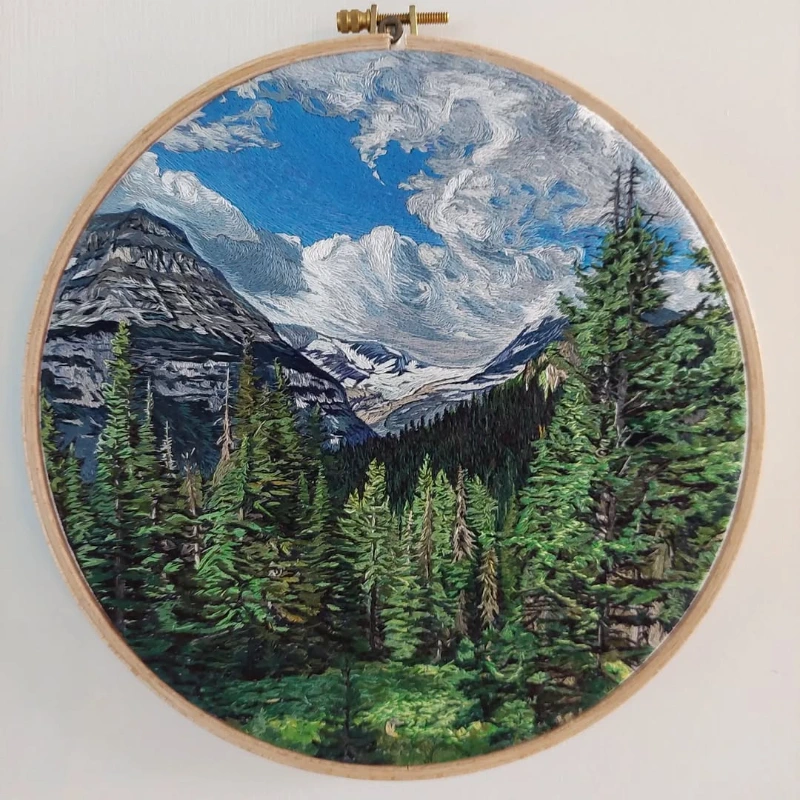
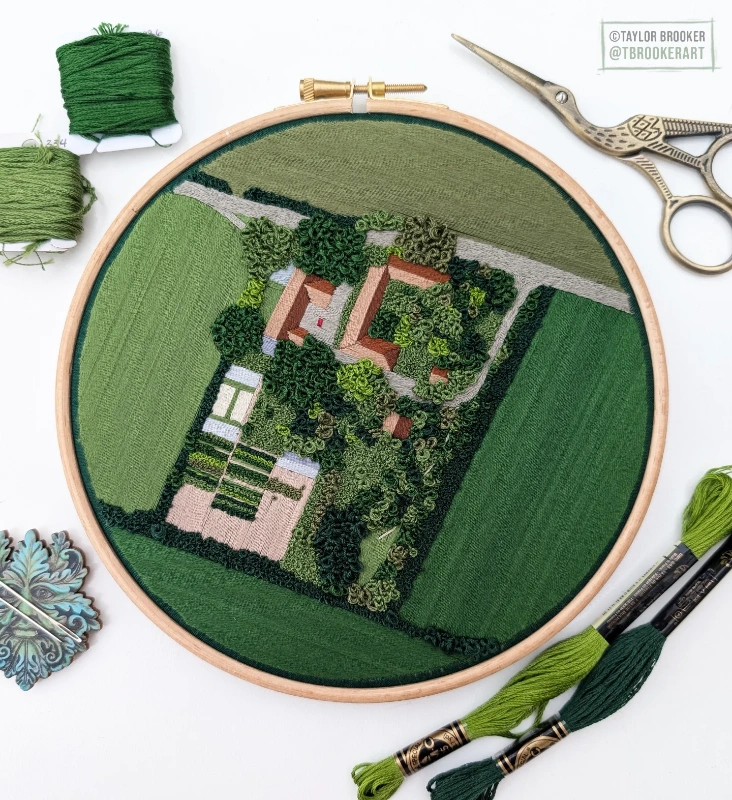
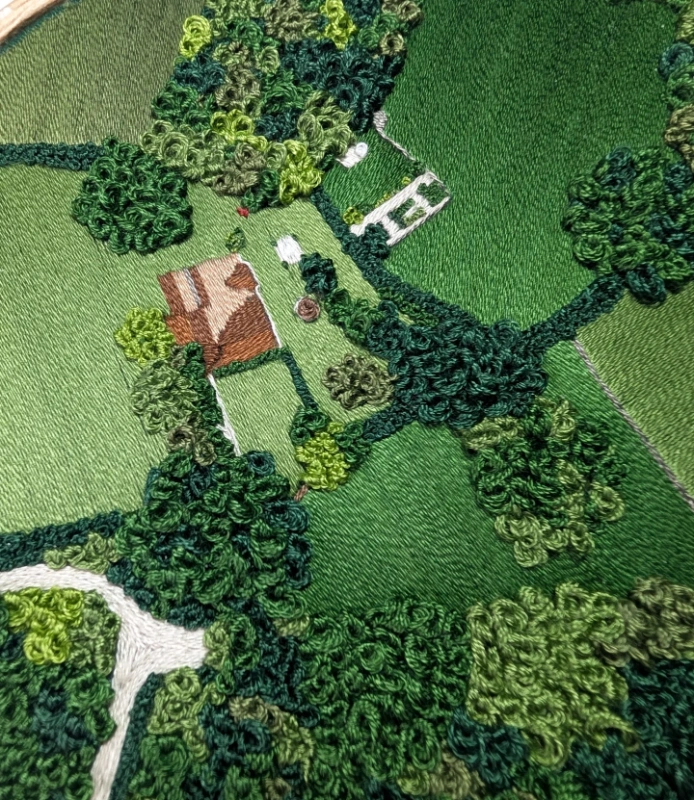
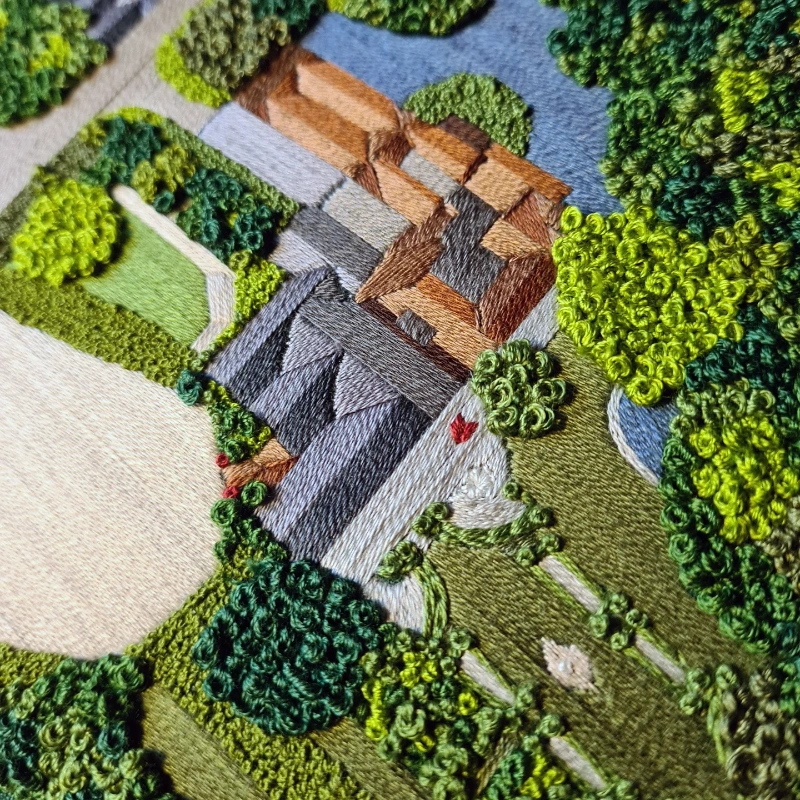
Taylor Brooker creates detailed embroidered landscapes that celebrate the beauty and fragility of the natural world. Working within embroidery hoops, she stitches mountains, forests and skies using layered threads that capture the textures and colours of different environments.
Her work is deeply connected to environmental awareness and the desire to foster a stronger appreciation for nature.
Why we’ve included her
Brooker demonstrates how embroidery can be used to communicate a deep connection with the landscape. Her work reminds us that textile art can be both visually beautiful and environmentally meaningful.
For textile artists, her work highlights the potential of stitch as a tool for interpreting place, atmosphere and the natural world.
Follow Taylor Brooker
Website: tbrookerart.co.uk
Instagram: @tbrookerart
8. Tia Keobounpheng
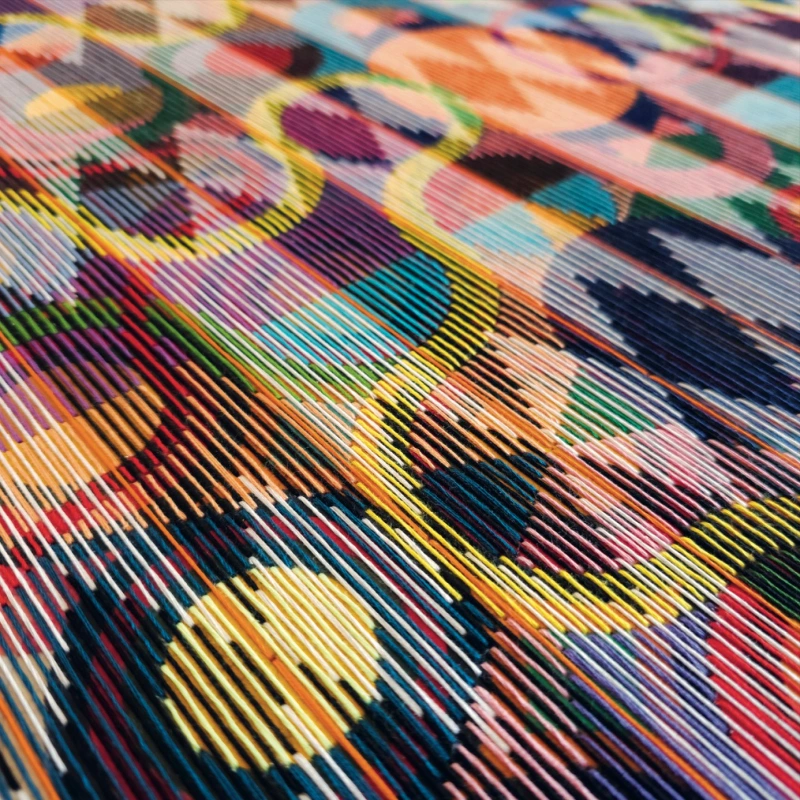
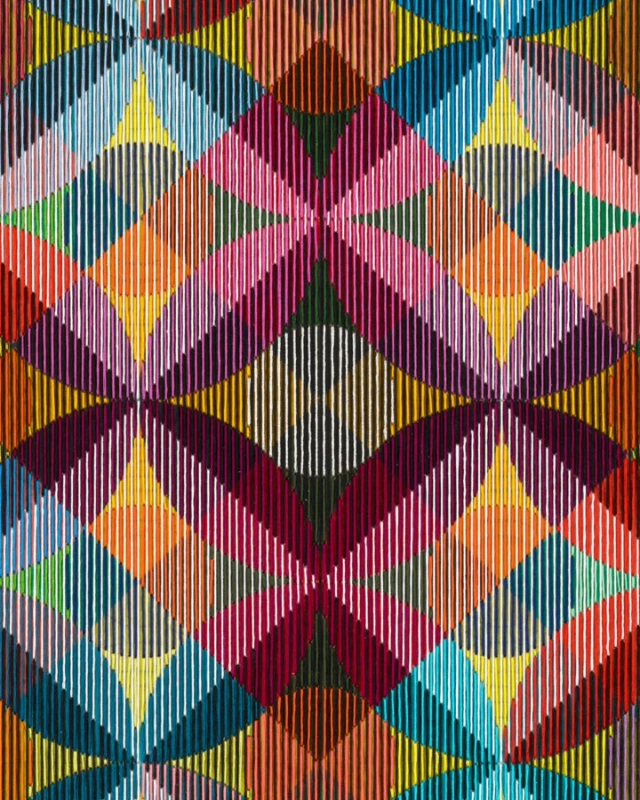
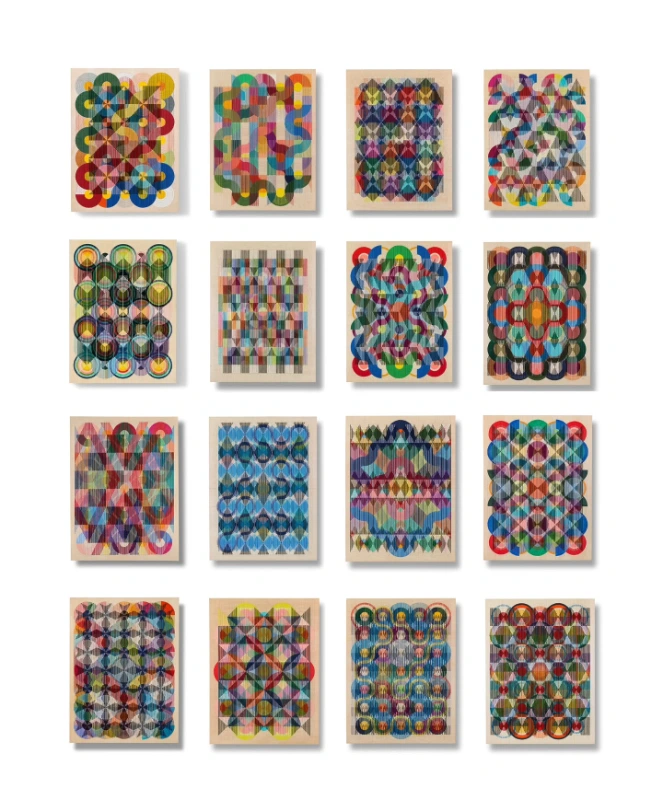
American fibre artist Tia Keobounpheng explores the expressive potential of weaving through richly textured compositions that emphasise colour, pattern and structure. Her work often incorporates vibrant threads arranged in rhythmic formations that highlight the architectural qualities of woven textiles.
Drawing on both traditional weaving methods and contemporary design sensibilities, she creates pieces that feel dynamic and sculptural.
Why we’ve included her
Weaving is one of the oldest textile techniques, yet Keobounpheng demonstrates how it continues to evolve in contemporary fibre art. Her work celebrates the structural beauty of woven textiles while pushing the medium into more experimental territory.
For textile artists, her practice illustrates how weaving can function not just as a method of fabric construction but as a powerful artistic language in its own right.
Follow Tia Keobounpheng
Website: tiakeobounpheng.com
Instagram: @tiakeobounpheng
Inspiration for Textile Artists
One of the most exciting aspects of textile art today is the sheer diversity of approaches artists are exploring. From sculptural crochet and felted marine life to intricate thread painting and expressive abstract stitch, these artists demonstrate how traditional techniques can be continually reimagined.
For students developing their own textile practice, studying contemporary artists can offer valuable insight into how materials, techniques and ideas can be combined in unexpected ways. Whether working with embroidery, weaving, crochet or felt, the possibilities for experimentation are almost limitless.
Artists like these remind us that textile art is constantly evolving. Through curiosity, technical skill and creative vision, they continue to expand the language of fibre and stitch, inspiring the next generation of textile artists along the way.